
About the Erie County Prothonotary
In Pennsylvania, the Prothonotary is the clerk of the civil division of the Court of Common Pleas. The title is unusual, but the role is clear: this office keeps the civil court record. Erie County does not use the "county clerk" model that some states use, so civil filers search "Prothonotary" rather than a general clerk. The office sits in Room 120 of the courthouse and works under the elected Clerk of Records, Aubrea Hagerty-Haynes.
Erie County Prothonotary
140 West Sixth Street, Room 120
Erie, PA 16501
814-451-6250
ProthonotaryRequests@eriecountypa.gov
The naturalization-records email above is the address the office lists for those specific requests. For general civil filings, the office counter and phone are the primary contacts.
What the Prothonotary Does in Erie County
The Prothonotary files and keeps the civil case record and collects related fees. It is the custodian for a wide range of civil and family filings, and it processes appeals from magisterial district decisions on the civil side. The list below covers the main records the office holds.
- Civil lawsuits and district judge appeals.
- Divorce and custody cases.
- Protection From Abuse cases.
- Judgments and government liens.
- Mechanics lien waivers and satisfactions of judgments.
- Name change filings and related civil actions.
Criminal records are not here. Those belong to the Clerk of Courts. This division of labor is the single most important thing to know before a search, because filing or searching in the wrong office wastes a trip. For criminal matters, see the Erie County Clerk of Courts.
The office also processes civil appeals from magisterial district court decisions, which start at the local level and move up to Common Pleas. Judgments and liens recorded with the Prothonotary can affect property and credit, which is why title searchers, lenders, and attorneys regularly use the office. For most people, though, the common reasons to visit are a divorce, a civil suit, or a name change.
CourtPro Civil Records and E-Filing
Erie County transitioned the Prothonotary to the CourtPro case-management system on April 15, 2024. The county states that CourtPro provides a fully integrated civil case-management and document-filing system, and that no filings or docket entries were added to the prior INFOCON system after April 12, 2024. CourtPro now serves as the public access viewer and the e-filing platform for civil cases.
The login page asks only for a user name on the first step and offers a continue-as-guest link for public viewing. Registered accounts unlock e-filing and account features. One current limit matters: the CourtPro login page states that Erie County is not currently accepting Family Court e-filings, so confirm the filing method for a family case before relying on the portal. For the search walkthrough, see Erie County court records.
How to Request a Certified Copy
A certified copy carries the court's seal and is the version courts and agencies accept for official use. An uncertified printout from a viewer is not the same thing. The steps below outline how to get a certified civil record from the Prothonotary.
- Identify the case by docket number or party names.
- Confirm the exact document or record you need.
- Contact the Prothonotary in Room 120 or submit a request as directed.
- Pay the certified-copy fee from the office fee schedule.
- Pick up the certified copy or receive it by the method you arranged.
Records Request Fields
A clear request helps the office find the right file quickly. The table lists what a civil records request should include.
| Field | What to Provide |
|---|---|
| Docket or case number | The civil case identifier, if known |
| Party names | The plaintiff and defendant or petitioner and respondent |
| Document type | The specific filing or record you want |
| Certified or plain | Whether you need a sealed certified copy |
| Number of copies | How many you need |
| Requester contact | How the office reaches you |
Erie County Prothonotary Fees
The county publishes a few fees that apply across record offices, and the office keeps its own civil fee schedule for filings and copies. The table below lists the confirmed amounts; other civil filing and certified-copy fees come from the Prothonotary fee schedule.
| Service | Fee |
|---|---|
| Search office records yourself | Free |
| Staff-conducted record search (Clerk of Records) | $20 |
| Civil filing fees | From the Prothonotary fee schedule |
| Certified and plain copies | From the Prothonotary fee schedule |
Note: Confirm the exact civil filing or copy fee with Room 120 before submitting, since the office schedule sets those amounts.
Common Prothonotary Forms
The Prothonotary publishes civil and self-represented forms, which help people file without a lawyer. The office still warns that forms are not legal advice, so a self-represented filer should consider consulting an attorney. The list below highlights commonly used forms.
- Civil Cover Sheet and Notice to Defend.
- Divorce Information Sheet.
- Entry of Appearance as a Self-Represented Party.
- Petition for Leave to Proceed in forma pauperis (fee waiver).
- Name Change Procedure for an adult or minor.
- Praecipe, writ, and execution forms.
Record Information and Historical Records
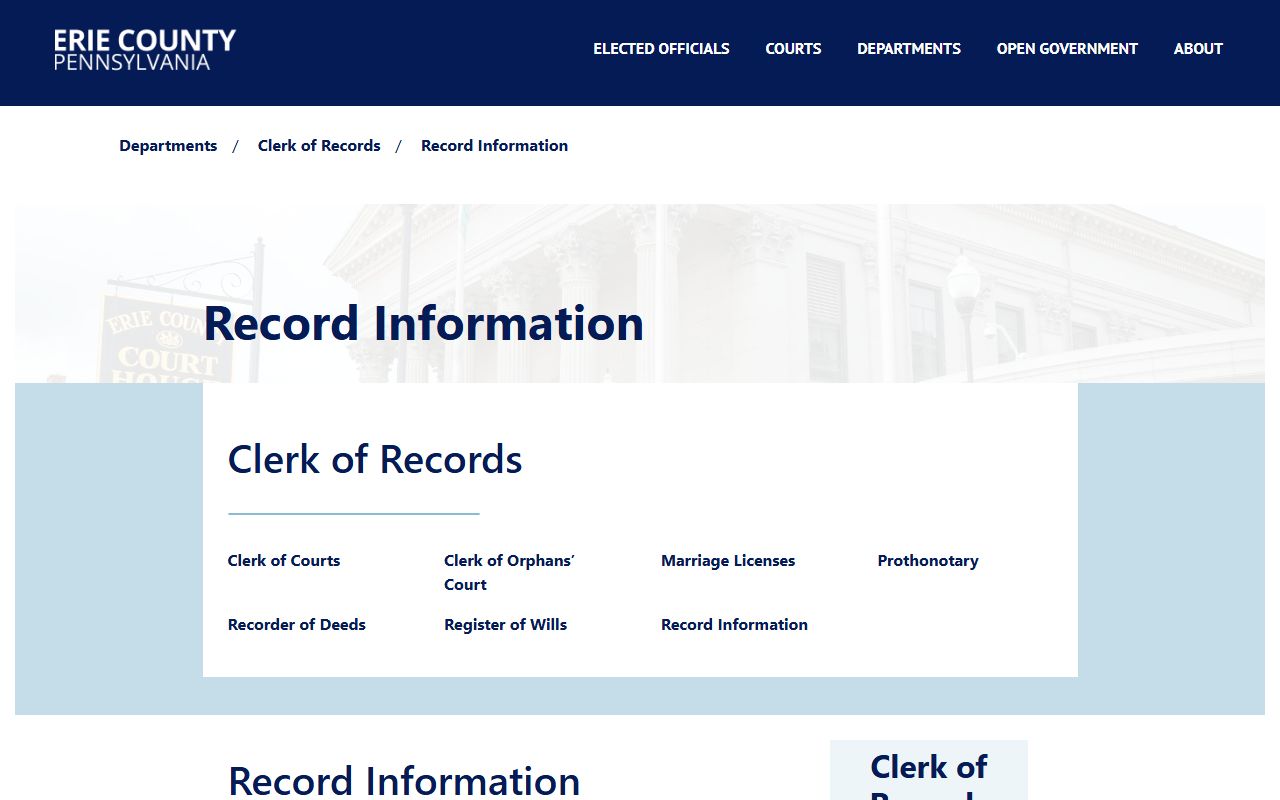
The Clerk of Records also runs a Record Information function that explains historical record coverage and the in-office search process. That page is where the county states its self-search policy and the $20 staff-search fee. It is useful background for anyone planning a civil or historical record search.
The county describes its record information and search policy on a dedicated page.
You can review the Erie County Record Information page for the search process and fees.
For naturalization records, the office directs requests to its records email rather than the public counter.
Self-Help and Legal Aid
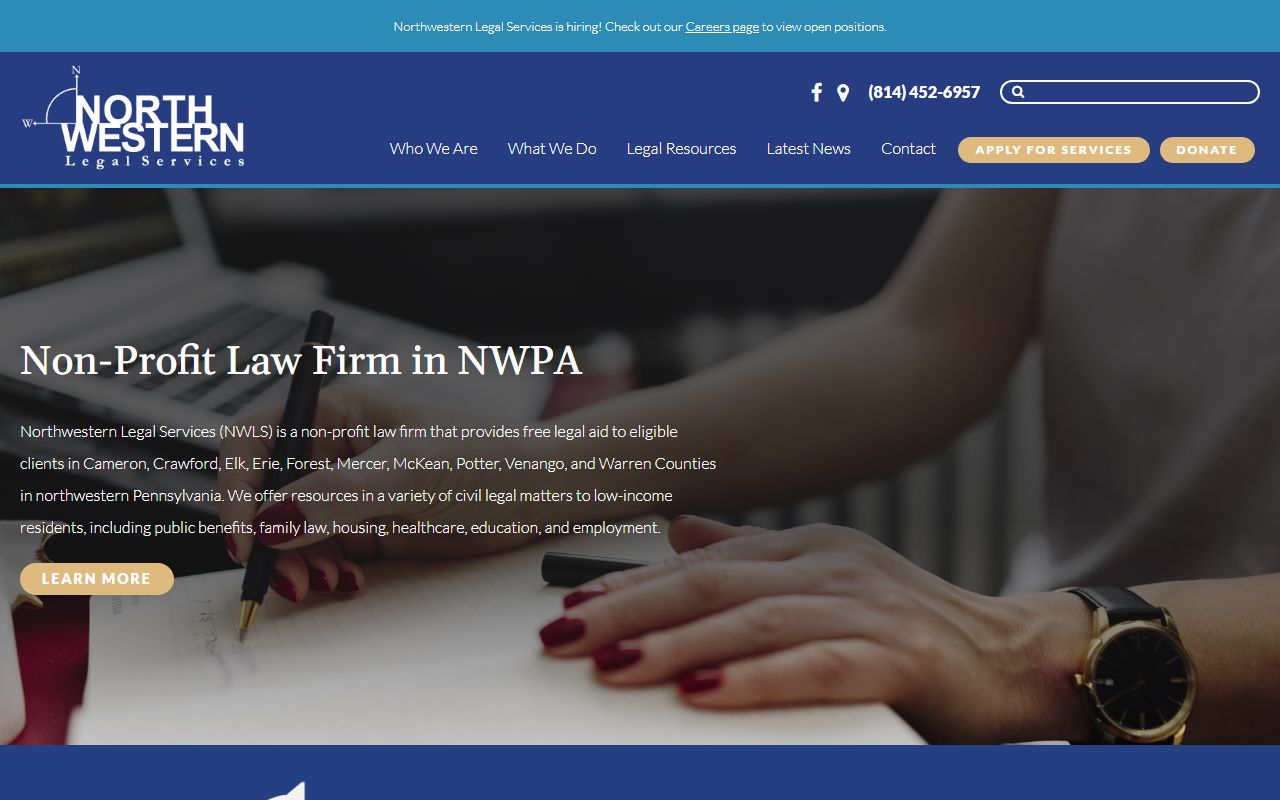
Civil matters often arrive without a lawyer, so local help matters. Northwestern Legal Services provides civil legal aid for low-income residents in northwestern Pennsylvania, including housing, family, and consumer issues. The Erie County Bar Association offers a lawyer referral service for people who want to hire counsel.
The regional legal aid office serves Erie County residents.
You can reach Northwestern Legal Services for civil legal aid in the Erie area.
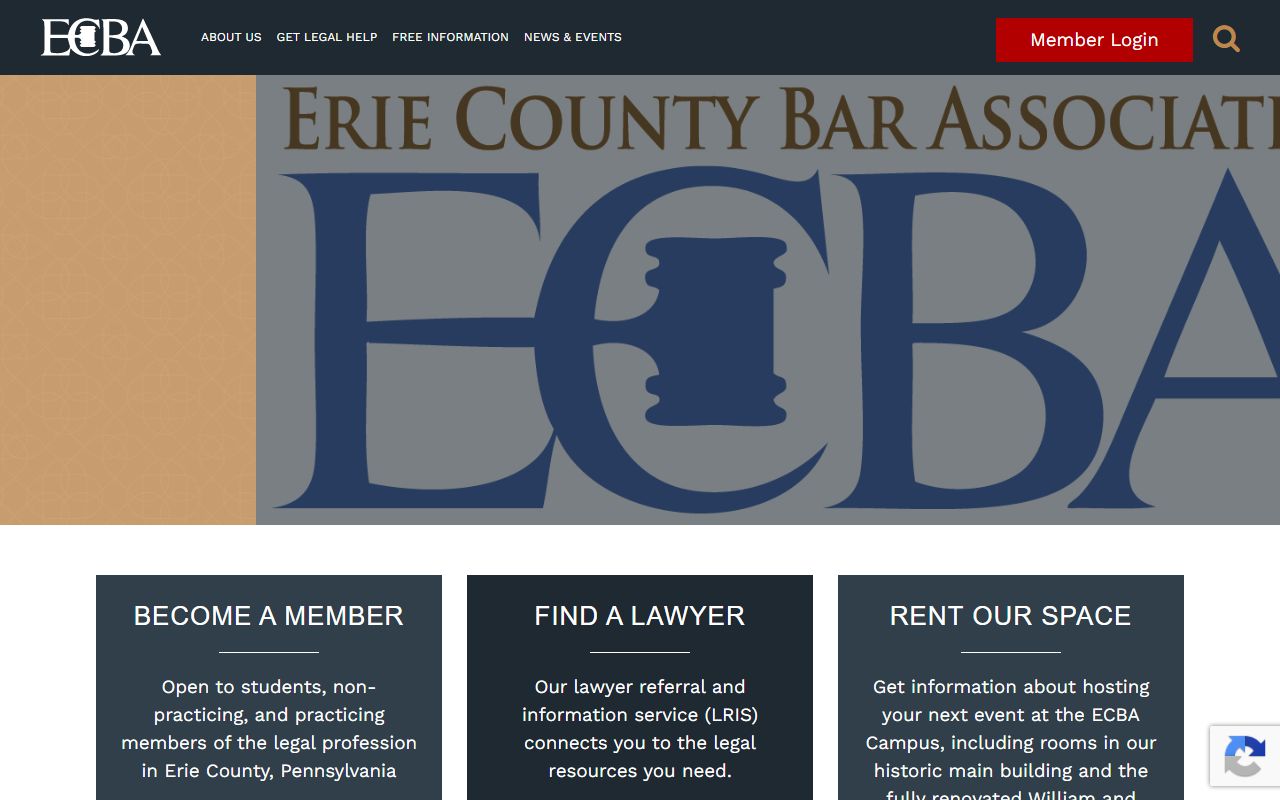
For a referral to a private attorney, the county bar association is the local resource.
The Erie County Bar Association offers lawyer referral and local legal resources.
Neither replaces the Public Defender for criminal charges, but both help with the civil side that the Prothonotary handles.
How to Search Erie County Civil Records
Civil record searches in Erie County work best through CourtPro and the Prothonotary, not the statewide name search. The Pennsylvania Unified Judicial System portal warns that civil cases in the Courts of Common Pleas may not display in its results for legal and technical reasons. That is why the Prothonotary points civil users to the county's own CourtPro public access site, which is the more specific source for Erie civil cases.
There are three practical ways to search. You can use the CourtPro guest viewer to read available civil docket information online. You can search the office records yourself at the counter for free. Or you can ask staff to run a search, which the Clerk of Records charges $20 to do. For a certified copy of any civil document, the request goes to the Prothonotary in Room 120. Picking the method that fits your need, online viewer, free self-search, or paid staff search, saves time and avoids a wasted trip.
Why Older Civil Records May Look Missing
The 2024 system change still trips people up. Because Erie County stopped adding filings to INFOCON after April 12, 2024, and moved to CourtPro on April 15, 2024, an older civil, divorce, judgment, or lien matter may not appear where a person expects. A case that seems missing from an old search method is usually a system change at work, not a dismissal or a sealing.
The fix is to check CourtPro or contact the Prothonotary directly before drawing a conclusion. Older references to INFOCON may still circulate online, which adds to the confusion. When a civil record does not surface, calling Room 120 at 814-451-6250 is the dependable way to confirm whether the file exists and how to view or copy it.